


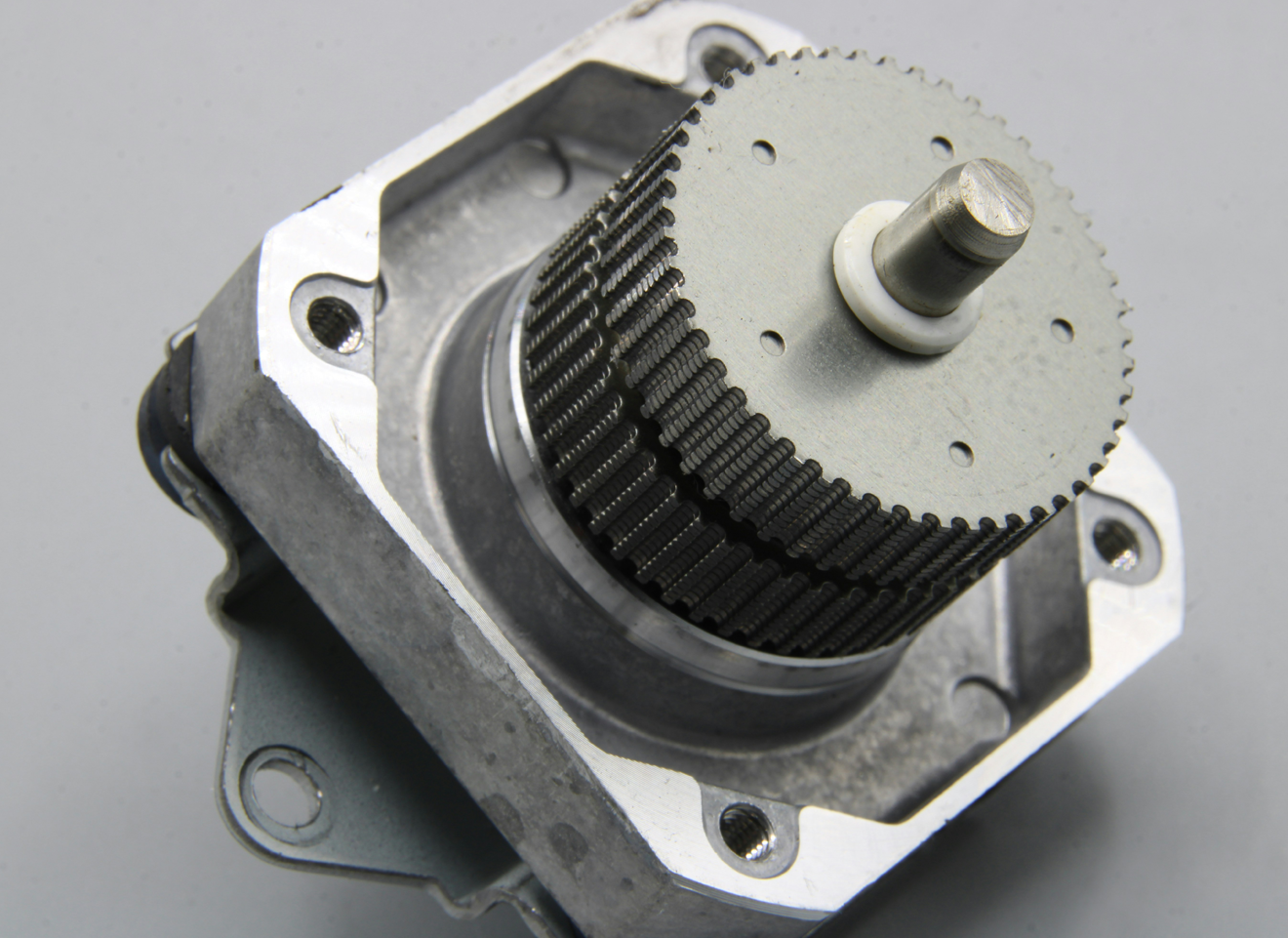
The operation of an internal gear pump is based on a simple yet effective principle. Liquid enters through the suction port, which is positioned between the teeth of the rotor gear and the idler gear
The interaction between these intermeshing gears creates locked cavities that hold the liquid, ensuring precise volume control. As the gears turn, they create low-pressure zones at the suction port. This low pressure pulls liquid into the pump, where it continues to travel between the teeth of the gears.
A key component in this process is the crescent located at the head of the pump. This crescent acts as a seal, preventing the liquid from returning to the suction side. When the gear teeth mesh completely, the liquid is forced out of the pump through the discharge port.
- Rotary Motion: The rotary movement of the gears is what enables the pump to draw in and discharge liquid efficiently.
- Volume Control: The intermeshing gears create locked cavities that ensure consistent volume control of the liquid being pumped.
- Low Pressure Zones: As the gears turn and come out of mesh, they create low-pressure areas that pull liquid into the pump.
- Crescent Seal: The crescent effectively seals off the suction side from the discharge side, preventing backflow.
Advantages of Using Internal Gear Pumps
Internal gear pumps offer several advantages that make them a preferred choice in many industries. Here are some key benefits:
- High Efficiency: The design of internal gear pumps ensures a consistent flow rate, regardless of changes in pressure, which translates to minimal energy wastage.
- Self-Priming: These pumps can evacuate air or gas from the suction line seamlessly, ensuring uninterrupted operation.
- Robust Construction: Built with quality in mind, internal gear pumps are designed for longevity and reliability, even in challenging environments.
- Wide Viscosity Range: They can handle thin liquids like solvents as well as thick substances like molasses, making them versatile for different applications.
- Quiet Operation: The gear design allows for smooth and silent operation, creating a more comfortable working environment.
- Precise Flow Control: Operators can easily adjust the flow rate by changing the rotational speed, which is crucial for accurate dosing and product quality.
- Low Maintenance: With fewer moving parts, the likelihood of breakdowns is reduced, leading to lower maintenance costs.
Selecting the right internal gear pump for your application involves considering several factors:
1Viscosity of the Fluid: Ensure the pump can handle the specific viscosity of the liquid you intend to move.
2Flow Rate Requirements: Determine the flow rate required for your process and select a pump that meets this demand.
3Temperature Conditions: Assess the temperature range of the fluid and choose a pump designed to operate within that range.
4Material Compatibility: Consider the materials used in the pump construction to ensure they are compatible with the fluids being pumped.
